It aims to foster self-regulation, emotional intelligence, and conflict resolution skills in children and adults alike. Conscious Discipline is widely used in educational settings such as preschools, elementary schools, and childcare centers, but its principles can also be applied in parenting and other social environments to promote positive behavior and emotional well-being. While there is a bit of overlap with the schooling and the parental aspects that Conscious Discipline has, there are a few things that help each stand out.
Conscious Discipline® is an approach to social-emotional learning and classroom management developed by Dr. Becky Bailey.
Conscious Discipline®
Conscious Discipline® for Both Teachers and Parenting Covers:

Connection
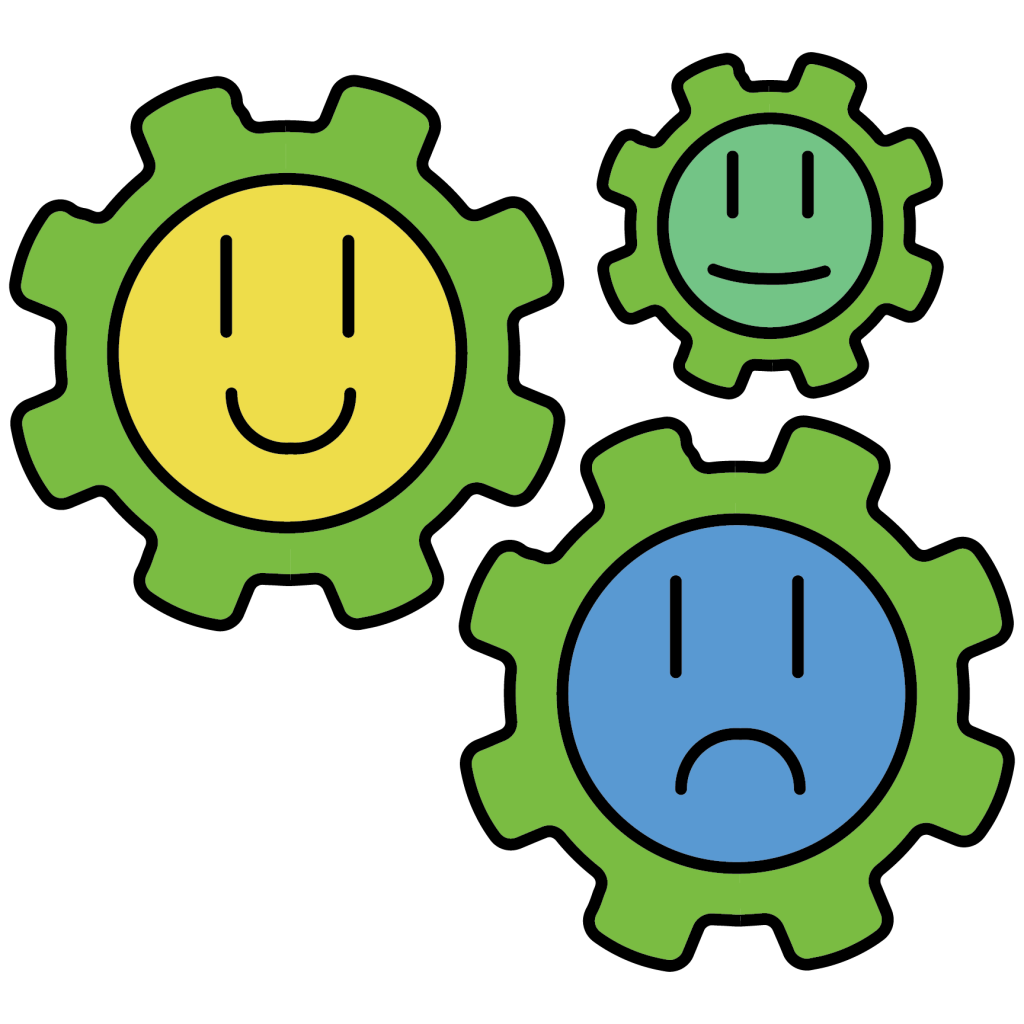
Emotional Regulation

Positive Discipline

Problem Solving

Routine and Structure

Conflict Resolution Skills
Teachers can benefit from Conscious Discipline® in various ways, enhancing their ability to create a positive and productive classroom environment while supporting students’ social-emotional development.
Overall, Conscious Discipline® empowers teachers to create a nurturing and engaging learning environment where students thrive academically, socially, and emotionally. By fostering a culture of respect, empathy, and cooperation, teachers can help students develop into well-rounded individuals prepared for success in school and beyond. Here are several key benefits for teachers:

Improved Classroom Management

Social-Emotional Learning (SEL) Integration

Enhanced Teacher/Student Relationships

Support for Diverse Learners

Professional Growth
Parents can benefit significantly from applying Conscious Discipline® principles in their parenting approach.
There are several ways in which Conscious Discipline® can be beneficial for parents. Conscious Discipline® empowers parents to nurture their children’s emotional intelligence, self-regulation, and social skills in a way that fosters a positive and harmonious family environment. By applying these principles, parents can support their children’s development into resilient, empathetic, and capable individuals. Here are several key benefits for parents:

Understanding Child Behavior

Creating a Positive Home Environment

Teaching Life Skills
Brain State Model
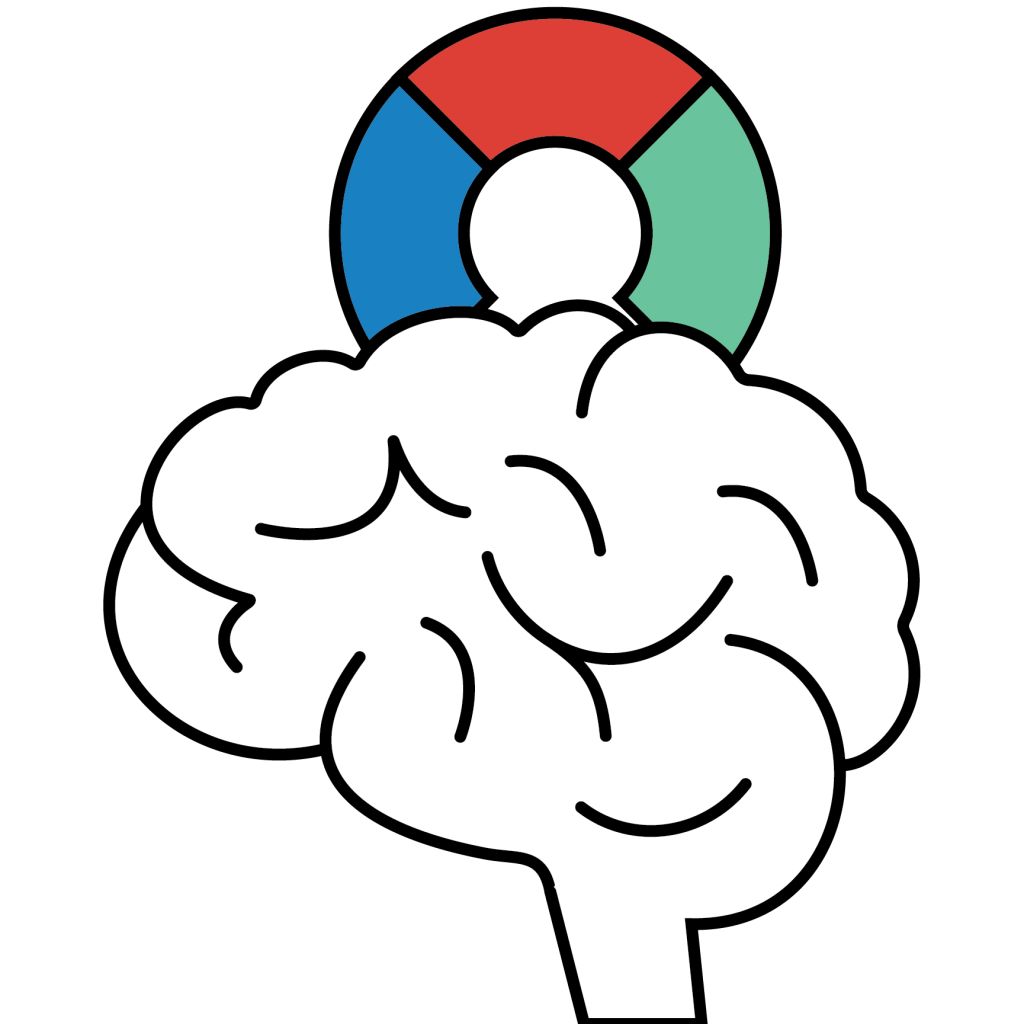
The brain state model is a concept used in neuroscience and psychology to describe the different patterns or states of neural activity that correspond to different mental states or cognitive processes. It suggests that our brains exhibit distinct patterns of electrical activity depending on what we are doing or experiencing. This model explains how different emotional states (survival state, emotional state, executive state) affect behavior and learning, guiding adults in responding appropriately to support children in achieving an executive state where learning is optimal.
The brain state model can be applied in childcare settings to enhance understanding of children’s cognitive and emotional development, optimize learning environments, and support healthy brain development. It can be used in understanding developmental stages, creating enriched environments, supporting emotional regulation, promoting learning and engagement. building positive relationships, integrating neuro-scientific insights, and early intervention.
Applying the brain state model to parenting involves understanding how children’s brains function and develop across different stages of growth. Several ways in which the brain state model can be applied to parenting include recognizing developmental milestones and monitoring progress, creating optimal learning environments, supporting emotional regulation, promoting healthy sleeping habits, tailoring communication styles, encouraging physical activity and play, promoting cognitive development, building secure attachments, and applying discipline effectively.